

For many immigrants seeking safety and stability in the United States, the Violence Against Women Act (VAWA) provides an important pathway to legal protection. VAWA allows certain individuals who have experienced abuse by a U.S. citizen or lawful permanent resident family member to apply for immigration relief independently.
One of the most common concerns among applicants is processing time for VAWA. Understanding how long the process may take and what factors influence it can help reduce uncertainty and set realistic expectations.
This article offers a clear explanation of the timeline, key steps, and what applicants should know while waiting.
Table of Contents
Understanding VAWA in Simple Terms
The Violence Against Women Act is a federal law designed to protect survivors of domestic violence, including immigrants. Through VAWA, eligible individuals may file a self-petition, meaning they do not need the abusive family member’s cooperation.
VAWA self-petitions are generally filed using Form I-360, which is reviewed by U.S. Citizenship and Immigration Services (USCIS).
The goal of this process is to allow survivors to pursue lawful immigration status safely and confidentially.
What Does VAWA Processing Time Mean?
VAWA processing time refers to how long USCIS takes to review and decide on a self-petition filed under VAWA. This includes the period from submission of Form I-360 until a decision is issued.
Many applicants search for answers about the processing time for VAWA because waiting can affect work authorization, adjustment of status, and personal stability.
It is important to understand that VAWA cases are handled with special confidentiality protections, and they often require careful review, which can affect timing.
Typical Timeline for VAWA Self-Petition Cases
Although every case is different, USCIS provides general estimates based on workload and case type.
Average USCIS Timeframes
As of recent USCIS updates, the VAWA processing time for Form I-360 can often range from 18 to 30 months, though some cases may take longer.
You can check current estimates directly on the USCIS processing time page:
These estimates are not guarantees but provide a general benchmark.
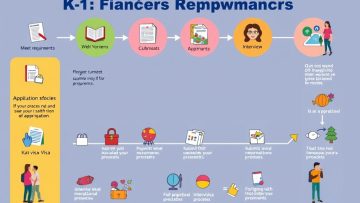
Key Steps That Affect VAWA Processing Time
Several stages occur during the review process, each contributing to the overall wait time.
1. Receipt Notice
After filing Form I-360, USCIS sends a receipt notice confirming the application was received. This usually arrives within a few weeks.
2. Prima Facie Determination
In many VAWA cases, USCIS issues a prima facie determination. This is a preliminary notice indicating that the petition appears valid based on the initial evidence.
This step does not mean approval, but it may allow access to certain public benefits in some states.
3. Request for Evidence (RFE)
If USCIS needs more documentation, they may send a Request for Evidence. Receiving an RFE can extend the processing time for VAWA, as the case pauses until the applicant responds.
4. Final Decision
Once the review is complete, USCIS will either approve or deny the petition. Approval allows the applicant to move forward with adjustment of status if eligible.
Factors That May Delay VAWA Processing
Several common factors can influence how long a case takes:
USCIS Workload
Backlogs at USCIS service centers are one of the biggest reasons for extended VAWA processing time.
Complexity of Evidence
VAWA petitions require proof of:
- A qualifying relationship
- Abuse or extreme cruelty
- Good moral character
- Shared residence at some point
Cases with incomplete or unclear evidence may take longer to evaluate.
Applicant’s Immigration Situation
Some applicants file Form I-360 alongside Form I-485 (adjustment of status), while others must wait until a visa becomes available. This can affect the overall timeline.
Work Authorization While Waiting
Many applicants want to know whether they can work during the waiting period.
In some cases, VAWA applicants may apply for an Employment Authorization Document (EAD) after filing certain forms or after approval. Work permit eligibility depends on the applicant’s specific immigration category.
For more information, USCIS provides official guidance here:
- https://www.uscis.gov/humanitarian/violence-against-women-act
Why Processing Times Can Feel Uncertain
Unlike some immigration petitions, VAWA petitions often involve sensitive personal circumstances. USCIS officers must carefully assess evidence while maintaining confidentiality and survivor protection.
Because of this, the VAWA processing time may not follow a predictable pattern, and updates may be limited.
Applicants may also experience emotional stress during this waiting period, especially when family safety and financial stability are involved.
Key Takeaways on VAWA Processing Time
Understanding the timeline for immigration relief under VAWA helps applicants prepare mentally and practically. Although each case is unique, most self-petitions take many months due to careful review, confidentiality protections, and USCIS backlogs.