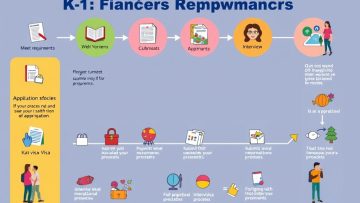


An acceptance letter from a university abroad often brings excitement and relief. Months of preparing applications, writing personal statements, and gathering academic records finally pay off. For many students, however, the next stage—securing a student visa—can feel far more confusing than the admissions process itself.
Unlike university applications, visa procedures are governed by immigration law. Each country has its own rules about eligibility, documentation, and timelines. Missing a form, misunderstanding a requirement, or submitting incomplete financial proof can delay or even prevent a student from traveling.
Because immigration law is complex, many students rely on guidance from a trusted student visa lawyer or credible information sources to better understand the legal steps involved. Learning the basics of the process helps applicants prepare stronger submissions and avoid common mistakes.
Table of Contents
Why a Student Visa Is Required
A student visa is a legal authorization that allows a foreign national to enter and remain in another country for educational purposes. While admission from a university confirms academic eligibility, it does not grant the right to live or study in that country.
Immigration authorities use the visa process to confirm several key points:
- The applicant has been accepted into a recognized educational institution
- The student has sufficient financial support for tuition and living expenses
- The applicant intends to study temporarily, not immigrate permanently
- Security and background checks have been completed
Most countries—such as the United States, Canada, the United Kingdom, and Australia—have dedicated student visa categories. Each program outlines different requirements, permitted work opportunities, and length of stay.
For example, the United States provides detailed guidance through the Student and Exchange Visitor Program (SEVP) managed by the Department of Homeland Security. The official website explains requirements for F-1 and M-1 student visas and can be accessed through the
https://studyinthestates.dhs.gov resource.
Step One: Receiving a Formal Admission Document
Before applying for a student visa, applicants typically need an official document issued by the educational institution confirming their admission.
The document varies by country. Examples include:
- Form I-20 for students applying to study in the United States
- Confirmation of Acceptance for Studies (CAS) for the United Kingdom
- Letter of Acceptance (LOA) for Canada
These documents confirm that the institution is authorized to enroll international students and that the applicant has been accepted into a specific program.
They usually include important details such as:
- Program start and end dates
- Estimated tuition costs
- Student identification numbers used in immigration systems
Without this document, visa applications cannot proceed.
Step Two: Preparing Required Documentation
Student visa applications often require a collection of personal and financial records. Immigration authorities use these documents to verify identity, academic eligibility, and financial stability.
Common requirements include:
- A valid passport
- Official university admission documents
- Proof of financial support
- Academic transcripts or certificates
- Standardized test scores (if applicable)
- Passport-sized photographs
- Completed visa application forms
Proof of Financial Support
One of the most important legal requirements is demonstrating that a student can afford to study abroad.
Governments want assurance that international students will not rely on public assistance. Applicants typically provide evidence such as:
- Bank statements
- Scholarship award letters
- Sponsorship declarations from family members
- Education loan documentation
The required financial amount often reflects estimated tuition plus living expenses for at least one academic year.
Step Three: Paying Government Fees and Submitting the Application
Most immigration systems require applicants to pay government processing fees when submitting their student visa applications.
These payments may include:
- Visa processing fees
- Immigration service charges
- System registration fees for international student databases
Applications are usually submitted online through government immigration portals. However, supporting documents may still need to be uploaded, mailed, or presented during an interview.
Students should carefully review official instructions to ensure the correct forms are used. Many governments provide step-by-step guidance through immigration departments or embassy websites. For example, the U.S. Department of State provides detailed visa information.
Step Four: Visa Interviews and Background Checks
In many countries, student visa applicants must attend an interview at a consulate or embassy.
The purpose of the interview is to confirm that the applicant:
- Intends to study genuinely
- Understands their academic program
- Has sufficient financial resources
- Plans to follow immigration rules
Interview questions often focus on practical matters such as:
- Why the student chose a specific university
- How the program relates to their career goals
- Who will financially support their studies
- What their plans are after graduation
Applicants may also undergo biometric screening, including fingerprinting and background checks.
While the process can feel intimidating, preparation helps. Students who clearly explain their academic goals and provide organized documentation often experience smoother interviews.
When Legal Guidance May Be Helpful
Many student visa applications proceed smoothly when documentation is complete. However, certain situations may require additional legal understanding.
Examples include:
- Previous visa refusals
- Gaps in academic history
- Unusual financial arrangements
- Immigration record complications
In such cases, consulting a trusted student visa lawyer can help applicants understand immigration rules and prepare appropriate documentation. Legal professionals who focus on immigration law can explain requirements in practical terms and help students avoid procedural errors.
Understanding Visa Conditions After Approval
Receiving a student visa is not the final step. Visa holders must follow specific conditions while studying abroad.
These conditions often include:
- Maintaining full-time enrollment in the academic program
- Following employment limits for part-time work
- Updating immigration authorities about address or school changes
- Leaving the country or changing status when the program ends
Failure to comply with these conditions can lead to visa cancellation or future immigration difficulties.
Key Takeaways
The journey from receiving a university acceptance letter to obtaining a student visa involves several legal steps governed by immigration law. Students must secure official admission documentation, prepare detailed financial and identity records, submit applications through government systems, and often attend visa interviews.
Understanding these requirements early can help applicants organize documents, avoid delays, and approach the process with confidence. While many students complete the process independently, guidance from credible resources—or in complex cases, a trusted student visa lawyer—can clarify legal requirements and support successful applications.
Studying abroad opens opportunities for academic growth, cultural exchange, and international experience. Navigating the legal process carefully ensures that the transition from acceptance letter to classroom abroad proceeds as smoothly as possible.