

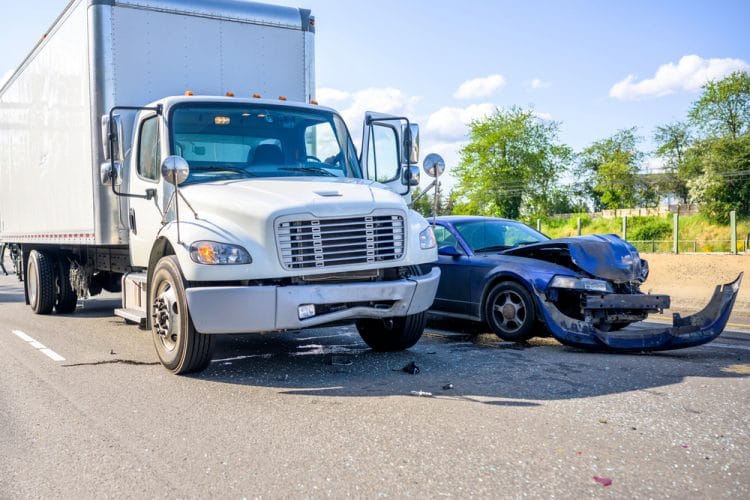
Injuries can occur from multiple aspects and factors. For instance, one can face an injury at the workplace or encounter an accident while driving. If you face a car accident due to another driver’s negligence, you should hire an oilfield accident attorney in texas.
While car accidents can be fatal, truck accidents are known to cause catastrophic effects. Most people need to learn the differences between car and truck accidents. Such unawareness can lead them to ineffective handling of the situation. It would help if you knew the differences between both scenarios.
A Utah Fatal Collision Lawyer helps families seek justice after devastating accidents and wrongful death cases. They guide victims through legal steps while handling insurance companies and complex court procedures. Hiring experienced legal support can improve compensation outcomes during emotionally difficult situations.
Table of Contents
Differences between truck and car accidents:
-
Operations
The most common difference between cars and trucks is how they operate. Large trucks operate differently and require more space than a car. Trucks have higher risks of rolling over in an accident and pose more danger to truck occupants and passengers.
On the other hand, cars do not pose as great a danger as trucks and can be controlled in case of an accident. Cars are stopped and controlled before a crash or collision. However, it will be difficult for the truck driver to maneuver the truck suddenly.
-
Injuries and damages
Truck accidents are known to cause more severe injuries. On the other hand, car accidents can cause injuries and damages, but they are most likely not as severe as a truck accidents. The truck’s weight can become a danger to other nearby vehicles. When a truck impacts a smaller vehicle, it is most likely to result in more severe injuries compared to crashes between cars.
Truck accidents can result in the following injuries if crashed with other smaller vehicles:
- Spine or skull fractures
- Traumatic brain injury (TBI)
- Spinal cord injuries
- Crush injuries
- Hemorrhaging of internal organs
- Puncture wounds and lacerations
-
Liability
When a truck accident occurs, the victims will likely proceed with a legal case if the driver is at fault. In such cases, victims face more difficulties proving liability for the truck accident; however, proving liability in a car accident can be easier than in a truck accident.
The complexity of a truck accident can make it challenging for the victim to prove the responsible driver’s liability. Several factors contribute to a truck accident. Some of these factors can be difficult to prove, while others can be quickly established.
It would be helpful if you hired an attorney in Texas. They can provide significant assistance in proving the liability of the truck accident and help you gather evidence to increase the chances of your case.
Size and Weight Differences
One of the biggest differences between truck and car accidents comes down to size and weight. A standard passenger car usually weighs around 3,000–4,000 pounds. In comparison, a fully loaded commercial truck can weigh up to 80,000 pounds. That massive difference changes everything during a crash.
Because trucks are much heavier, they generate stronger impact forces. Even a low-speed collision involving a truck can cause serious destruction. Smaller vehicles often absorb most of the crash energy, putting car occupants at greater risk.
Large trucks also sit higher off the ground. This height difference increases the chances of underride accidents, where a smaller vehicle slides beneath the truck trailer. These crashes are extremely dangerous and often lead to life-threatening injuries.
In contrast, car-to-car accidents usually involve vehicles of similar size. This balance helps distribute impact forces more evenly, reducing the likelihood of catastrophic outcomes.
Stopping Distance and Reaction Time
Another major difference lies in how quickly vehicles can stop. Cars respond faster when drivers apply brakes. Trucks, however, require significantly longer stopping distances due to their weight and cargo load.
For example:
- A car traveling at highway speed may stop within 300 feet.
- A large truck may need 500 feet or more to come to a complete stop.
This delay becomes dangerous during sudden traffic slowdowns or emergencies. Even if a truck driver reacts immediately, physics limits how quickly the vehicle can stop.
Truck drivers must constantly anticipate road conditions. Any distraction, fatigue, or delayed reaction can result in devastating rear-end collisions. Car drivers generally have more flexibility to avoid accidents through quick braking or steering adjustments.
Regulations and Safety Rules
Truck drivers and trucking companies must follow strict federal and state safety regulations. These rules do not typically apply to regular car drivers.
Commercial trucking regulations may include:
- Hours-of-service limits to prevent driver fatigue
- Mandatory vehicle inspections
- Cargo weight restrictions
- Special licensing requirements
- Maintenance and logbook documentation
If any of these rules are violated, the chances of an accident increase significantly. Investigating whether regulations were followed becomes an important part of truck accident claims.
Car accidents usually involve fewer regulatory concerns. Most cases focus on driver behavior such as speeding, distracted driving, or reckless actions.
Multiple Parties May Be Responsible
Truck accidents often involve more than just the driver. This makes legal claims far more complicated compared to car accidents.
Possible liable parties may include:
- The truck driver
- Trucking company
- Cargo loading company
- Vehicle manufacturer
- Maintenance contractor
- Parts manufacturer
For instance, improperly loaded cargo could cause a truck rollover, even if the driver was operating safely. Mechanical failure due to poor maintenance can also shift responsibility away from the driver.
Car accidents, on the other hand, usually involve only one or two drivers. Determining fault is typically simpler and faster.
Insurance Coverage and Compensation Differences
Insurance policies for commercial trucks are much larger than standard car insurance policies. Trucking companies are required to carry high-value liability coverage because accidents involving trucks often result in severe damages.
While this may seem beneficial for victims, it also means insurance companies aggressively defend truck accident claims. They often deploy investigation teams immediately after a crash to reduce liability.
Victims may face challenges such as:
- Delayed claim approvals
- Disputed fault findings
- Pressure to accept low settlements
Car accident claims are generally more straightforward because insurance coverage limits are smaller and fewer parties are involved.
Working with an experienced attorney becomes essential in truck accident cases to ensure fair compensation for medical bills, lost wages, and long-term recovery needs.
Conclusion: Why You Should Contact an Accident Lawyer
Truck accidents are far more complex than regular car accidents due to their size, severity, and legal complications. From serious injuries to multiple liable parties and strict trucking regulations, victims often face challenges that are difficult to handle alone. Understanding these differences helps you take the right steps after an accident and protect your legal rights.
If you or a loved one has been involved in a serious crash, consulting an accident lawyer can make a significant difference in your case outcome. An experienced lawyer can investigate the accident, collect crucial evidence, negotiate with insurance companies, and ensure you receive fair compensation for medical expenses, lost income, and emotional suffering.
Acting quickly after an accident is important. A qualified accident lawyer can guide you through the legal process and help you focus on recovery while they handle the complexities of your claim.