

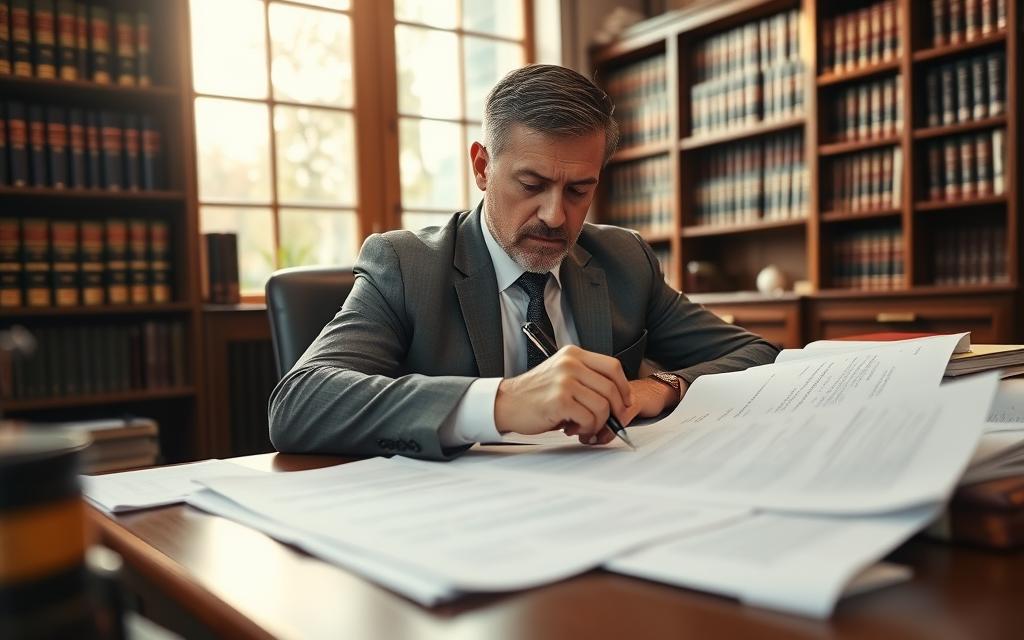
Best Lawyer For Domestic Abuse Case — Find a passionate, experienced attorney who will protect your rights and bring hope.
To find the best lawyer for a domestic abuse case, look for someone with deep experience in domestic violence law, local court knowledge, strong communication, empathy, and a record of success. The right attorney will protect your safety, rights, and future.
Have you ever wondered how someone actually chooses the best lawyer when facing a domestic abuse case? It’s a life-altering decision—and once the tears, fear, and uncertainty hit, you want someone in your corner you can believe in.
Here’s the truth: the “best” lawyer isn’t necessarily the most famous. It’s the one who fits you—your situation, your fears, your needs—and who actually fights for the outcome you deserve. Let’s break this down step by step.
Table of Contents
What Is A Domestic Abuse Case? 🛡️
Domestic abuse cases involve legal action when someone is harmed, threatened, harassed, or pressured by someone close—like a partner, spouse, or family member. This can include physical violence, emotional abuse, stalking, or coercive control.
Depending on state laws, domestic abuse may be classified as a criminal charge, a civil protection order case, or both. Your lawyer must navigate multiple legal threads: criminal defense, restraining orders, custody issues, and sometimes immigration concerns.
Why You Need A Specialized Domestic Violence Lawyer
You might think any criminal defense attorney can do the job—but domestic abuse law is different.
- The laws change state to state; what works in Texas may not fly in New York.
- Judges and prosecutors often treat domestic cases very sensitively.
- There’s emotional complexity: fear, trauma, manipulation.
- You may also need help with protection orders, child custody, or divorce.
A specialized lawyer understands all these facets. They don’t just defend—they protect you.
Understanding Search Intent Behind “Best Lawyer For Domestic Abuse Case”
When someone types “best lawyer for domestic abuse case,” they’re usually:
- Looking for how to choose the right lawyer.
- Searching for profiles of top lawyers in their area.
- Needing immediate legal help/options.
To satisfy this intent, you need concrete tips, a checklist, and reassurance. And yes—you want stories or examples to show this isn’t theoretical.
Key Qualities To Look For In A Lawyer
Here are the core traits to prioritize:
- Experience & Specialization — Have they handled many domestic abuse cases?
- Local Court Knowledge — Do they know judges, practices, and prosecutors in your area?
- Track Record — Wins, dismissed cases, favorable outcomes.
- Accessibility & Communication — Quick responses, clear explanations.
- Empathy & Trust — You need someone you feel safe talking to.
- Strong Negotiation & Trial Skills — Many cases settle, but some go to court.
- Support Network — Access to investigators, counselors, expert witnesses.
How To Vet A Potential Attorney
Use this checklist when interviewing lawyers:
| What to Ask | Why It Matters |
| “How many domestic abuse cases have you handled?” | You want someone with real experience |
| “Have you worked in my local courts?” | Local reputation matters |
| “What outcomes have you secured?” | Success matters—dismissals, reductions, acquittals |
| “How do you communicate with clients?” | You deserve honesty and timely updates |
| “Do you work with specialists (investigators, advocates)?” | Complex cases need a full team |
Where To Find Reputable Lawyers
- State Bar Association Referral — Many states have domestic violence panels.
- Local Domestic Violence Agencies — They sometimes refer trusted attorneys.
- Legal Aid & Pro Bono Organizations — For those who can’t afford high fees.
- Word of Mouth — Survivors, support groups, social workers.
Red Flags To Avoid 🚩
- Too good to be true (magic outcomes)
- Poor communication or vague answers
- No experience in domestic violence law
- No willingness to sign a fee agreement in writing
- Pressure to settle too fast
How Lawyers Approach Your Case
Here’s a simplified breakdown:
- Immediate assessment & safety plan
- Evidence collection & preservation
- Protection order or restraining order motions
- Negotiation with prosecutor or other party
- Trial (if needed)
- Post-trial motions, appeals, or follow-ups
Some cases resolve before trial. But if the case goes to court, your lawyer must know how to argue, cross-examine, and manage juries.
Negotiation Vs. Trial: Which Path?
Most domestic abuse cases end with a deal. Why?
- Less risk
- Less emotional trauma
- Faster resolution
But sometimes a trial is necessary, especially if the evidence is weak or negligent negotiations hurt your interests. A strong attorney can spot weaknesses and push for trial when it’s in your favor.
How Much Does A Domestic Abuse Lawyer Cost?
Fees vary wildly by region and case complexity. Some offer:
- Flat fees for protection orders
- Hourly billing for criminal defense
- Payment plans or sliding scales
- Pro bono / Legal aid for low-income clients
Don’t accept surprises. Always get a written fee agreement.
Case Study: How A Top Attorney Turned Things Around
Imagine you’ve been falsely accused of abuse. The police report is full of inaccuracies. You call a specialized domestic violence lawyer who:
- Obtains original bodycam footage
- Interviews witnesses
- Proves misidentification
- Negotiates a dismissal
Your case is dropped before trial.
That’s not fiction. That happens when you pick the right advocate.
Domestic Abuse Lawyer vs. General Criminal Lawyer
| Feature | Domestic Abuse Lawyer | General Criminal Lawyer |
| Experience in family/dv law | ✅ High | ❓ Maybe low |
| Familiarity with protection order rules | ✅ Yes | ❓ Unlikely |
| Comfort with emotional dynamics | ✅ Yes | ❓ Maybe not |
| Prebuilt team (counselors, investigators) | ✅ Often | ❓ Rarely |
In short: for domestic abuse cases, specialization matters.
Tips To Work Best With Your Lawyer
- Be honest—everything matters
- Keep all evidence (texts, photos, recordings)
- Ask for regular updates
- Don’t sign anything without consulting them
- Follow their safety advice
Your case is more than legal — it’s personal. And the more you collaborate, the stronger your position.
When You’re In Crisis: Safety Comes First
Your physical and emotional well-being is priority one. Even while you search for a lawyer:
- Reach out to local shelters or hotlines
- Document abuse (dates, photos)
- Put important documents somewhere safe
- Change locks, phone numbers, routines if needed
The right lawyer knows all this too—and will help you build a plan to stay safe.
How Long Will The Case Take?
It depends. Some abuse / protection order cases end in weeks. Criminal proceedings may stretch months.
Factors that affect timeline:
- Case complexity
- Evidence strength
- Court backlog
- Negotiation willingness
A good attorney will give you realistic time estimates and keep you informed.
Why The “Best” Lawyer Is The One Who Understands You
Everyone’s situation is different. Abuse leaves scars—visible or invisible. The best advocate listens, values your voice, and fights for your dignity and rights.
So don’t just chase names or titles—find someone who matches your needs, understands your fears, and gives you real strategies for hope.
Conclusion
Choosing the best lawyer for your domestic abuse case means more than googling big names. You want someone who truly specializes in domestic violence law, knows your local court system, communicates clearly, and fights for you with empathy. Use the checklist above, interview carefully, and trust your instincts. You deserve someone brave in your corner.

FAQs
What’s the difference between a domestic abuse lawyer and a general criminal lawyer?
A domestic abuse lawyer specializes in abuse, protection orders, trauma, and related family law issues—while a general criminal lawyer may lack that focused experience.
How do I find affordable domestic abuse attorneys?
Search state bar referrals, legal aid, pro bono services, or nonprofit victim advocacy groups that maintain trusted attorney lists.
Can a lawyer help get a restraining order in a domestic abuse case?
Yes—attorneys often file protective orders, argue motions, and push courts to impose safety restrictions on abusers.
How fast should I act after being abused?
Immediately. Evidence fades, memories blur, safety is at stake. The sooner you consult a specialist lawyer, the better.
Is it possible to get a domestic abuse case dismissed?
Yes—if evidence is weak, false accusations exist, or legal issues arise. A strong attorney can pursue dismissal or reduced charges.