


Did you know about 11 million undocumented immigrants live in the United States? Many of them want to apply for US asylum. They face a tough legal journey to get legal status.
Trying to get asylum after entering illegally is hard. The rules for asylum are complex. There are strict rules and possible penalties for illegal entry.
It’s important to know about asylum for those fleeing danger. Asylum can be a safe haven for those in danger. It could lead to legal protection and a fresh start.
Table of Contents
Key Takeaways
- Approximately 11 million undocumented immigrants reside in the US
- Asylum applications require filing Form I-589 within one year of entry
- Legal entry is not mandatory to apply for asylum
- Applicants must demonstrate a credible fear of persecution
- Illegal entry can complicate the asylum process
- Legal guidance is critical for navigating asylum applications
- Successful asylum seekers can apply for a Green Card after one year
Understanding Asylum in the United States
Asylum is a big help for people who are scared in their own countries. The U.S. lets them come here for safety. It’s a way to protect those who need it most.
Asylum is based on helping people who are in danger. It’s for those who can’t go back home because it’s too risky. They get refugee status if they show they’re really scared of being hurt.
What is Asylum?
Asylum lets people stay in the U.S. if they can’t go back home. To get asylum, you need to show:
- You’re scared of being hurt or persecuted.
- You’re being targeted because of who you are.
- You applied for asylum within a year of arriving.
Who Can Apply for Asylum?
Only certain people can apply for asylum. They must show they’re in danger and meet other rules. The U.S. looks closely at each case.
| Eligibility Criteria | Requirements |
|---|---|
| Protected Grounds | Race, Religion, Nationality, Political Opinion, Social Group |
| Application Timeframe | Typically within 1 year of arrival |
| Security Checks | FBI background investigation |
By 2024, about 1.4 million people were waiting for asylum in the U.S. This shows how important this help is.
Ways to Enter the US and Their Implications
Getting into the US can be tricky. There are many ways to enter the country. Knowing the legal and illegal ways is key for those seeking asylum or looking to immigrate.

The US has many legal ways to enter through different visas. Each way affects your immigration status and asylum chances.
Legal Entry Options
- Tourist Visa (B-1/B-2)
- Student Visa (F-1)
- Work Visa (H-1B)
- Refugee Visa
- Fiancé Visa (K-1)
Consequences of Illegal Entry
Entering the US illegally can lead to big legal problems. US laws are strict for those without the right papers.
Entry Method Implications for Asylum Process
US laws are interesting. They let people apply for asylum, even if they entered illegally. This means those who came in without papers can also apply for asylum.
| Entry Type | Asylum Application Possible | Legal Risks |
|---|---|---|
| Legal Entry | High | Low |
| Illegal Entry | Possible | High |
Those facing illegal entry issues should know. Asylum is possible, but they might face more checks and legal hurdles.
The Asylum Application Process
Going through the asylum application process is hard for undocumented immigrants in the U.S. It’s important to know the steps and what’s needed. This helps those seeking asylum to use their immigration rights.
Form I-589: Key Requirements
The Form I-589 is key for asylum seekers. They must fill it out carefully. It asks for personal history and why they want asylum.
- Provide detailed personal info
- Explain why you need asylum
- Include important documents
- Turn it in within a year of entering the U.S.
Where and How to Apply
How to apply for asylum changes based on the method. There are three main ways to apply:
| Asylum Application Type | Key Characteristics |
|---|---|
| Affirmative Asylum | Apply with USCIS before court |
| Defensive Asylum | Apply in court |
| Expedited Process | Fast review for urgent cases |
Knowing about work permits is important. Timing and exact documents are key for a successful application.
Eligibility Guidelines for Asylum Seekers
Understanding immigration relief is complex. The US refugee program helps those in danger in their home countries.

Asylum petitions need clear reasons for fear of persecution. The US checks these claims against international standards.
Understanding Fear of Persecution
Persecution is more than just hard times. Asylum seekers must show they face real threats. These threats are based on certain reasons:
- Race or ethnic identity
- Religious beliefs
- Nationality
- Political opinion
- Membership in a particular social group
Protected Grounds Explained
Each reason needs strong evidence. For example, political persecution might mean government threats or imprisonment for opposing views.
The law says persecution can take many forms. This includes:
- Physical violence
- Systemic discrimination
- Severe economic restrictions
- Denial of fundamental human rights
Applicants must show their fear is real. They must also prove their government can’t protect them.
Applying for Asylum After Illegal Entry
Immigration law is hard to understand. It’s even harder for those seeking asylum in the United States. New rules have changed how people can get asylum if they came in without permission.
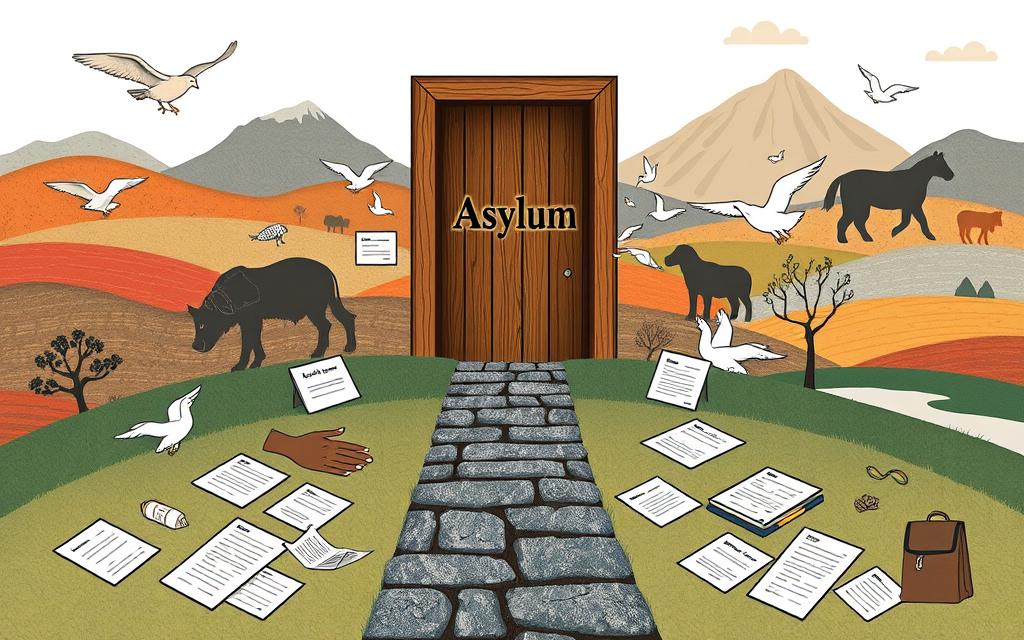
New immigration rules are tough for those who came in illegally. A new law, Presidential Proclamation 10773, started on June 5, 2024. It makes it hard for people to apply for asylum if they came in without permission.
Is Asylum Possible After Illegal Entry?
Even with new rules, people can try for asylum after coming in illegally. Important things to think about are:
- Asylum applications are possible, no matter how you came in
- You have one year to file your application
- Passing a credible fear interview is the first step
Significant Challenges and Risks
People facing deportation need to know the risks of coming in without permission:
- There’s a 5-year ban on coming back if you came in illegally
- You could face criminal charges if you come back without permission again
- It’s harder to prove your case in asylum proceedings
Important statistics show that border encounters dropped by 55% with new rules. This shows how immigration policies affect asylum seekers.
People thinking about asylum should get legal help. They can look into other protections like withholding of removal or protection under the Convention Against Torture. These might help if they can’t meet strict asylum rules.
The Role of Immigration Courts
Immigration courts are key in the US immigration policy. They handle complex asylum cases. These courts decide if people can stay in the US under international and national laws.
The asylum process is complex. It’s even harder when people might be deported. Immigration courts deal with two main types of cases:
- Removal Proceedings
- Asylum Hearings
Understanding Removal Proceedings
Removal proceedings are a legal process. Immigration judges check if someone can stay in the US. They start these proceedings for reasons like not having the right visa.
| Proceeding Type | Key Characteristics | Potential Outcomes |
|---|---|---|
| Defensive Asylum | Started during removal proceedings | Can get asylum or be deported |
| Affirmative Asylum | Applied for with USCIS | Will go through review |
Navigating Asylum Hearings
Asylum hearings are very important. Judges look at evidence, personal stories, and risks in home countries.
Things to think about in these hearings include:
- If the claim of persecution is true
- If there’s proof for the asylum application
- If the application was filed on time
Note: The immigration court system has a big backlog. Cases can take years to be heard.
Evidence Needed for Asylum
Getting ready for asylum means you need to gather lots of documents. You must show strong proof that you could be hurt in your home country. The immigration process needs clear evidence to prove you’re telling the truth.
To win asylum, you need different kinds of evidence. This evidence shows you really fear being hurt. The main parts are:
- Personal testimonies about threats or bad experiences
- Reports on the country’s situation showing dangers
- Medical records of any harm you’ve suffered
- Statements from people who know you or experts
Personal Testimonies: Building Your Narrative
When you apply for asylum, you must tell a clear story. Your story should explain why you had to leave your country. The refugee status decision depends a lot on how well you tell your story.
Supporting Documents: Strengthening Your Claim
A good asylum application needs strong backup documents. You should gather:
- Official papers from your government
- Police reports
- Articles from newspapers
- Statements from experts about your country
The U.S. immigration checks each asylum application closely. About 29% of them are approved. Having lots of solid evidence helps a lot in getting asylum application approved.
Temporary Protected Status (TPS)
Temporary Protected Status (TPS) helps undocumented immigrants in tough situations. It lets them stay in the US when they can’t go back home safely. This is a big help under US laws.
Understanding TPS Basics
TPS is a special protection for people from certain countries. It lets them stay in the US for a while. Here’s what it offers:
- Protection from being sent back during the TPS time
- A chance to get a work permit (EAD)
- They must stay in the US all the time
TPS Eligibility and Conditions
To get TPS, you must meet certain rules. As of January 2025, 17 countries are covered. These include:
- Afghanistan
- Haiti
- Venezuela
- Sudan
- Syria
About 863,880 people with TPS live in the US. Another 331,300 might be eligible too.
Relationship to Asylum
TPS and asylum are different. TPS doesn’t mean you get to stay forever. But it’s a big help for those in danger.
To apply, you need to fill out Form I-821. You must show who you are, where you’re from, and where you’ve lived. If your documents are not in English, you need to get them translated.
Learning about TPS is key for undocumented immigrants. It can help them find safety and stability in the US.
Seeking Legal Assistance
Navigating the complex immigration process for asylum is tough. Legal help is key to understanding rights and boosting application success.
The Importance of Professional Legal Support
Asylum law is complex and tough. People seeking asylum are five times more likely to get help with a lawyer. The immigration process needs expert advice to:
- Understand complex asylum petition needs
- Get ready all needed documents
- Face legal hurdles
- Keep their immigration rights safe
Finding the Right Immigration Attorney
Asylum seekers have many legal support options:
- Free help from non-profits
- Low-cost legal clinics
- Law firms that focus on asylum
- Legal aid from universities
Many groups offer free or cheap meetings to explain legal choices. While private lawyers cost more, their skill can greatly help asylum chances.
Future Steps After Asylum Approval or Denial
Understanding the asylum process is key. It shows what happens after you apply. If asylum is granted, you get protection from being sent back and can start building your life in the U.S.
Those who get asylum can apply for a Green Card a year later. You need to be in the U.S. and meet certain rules. It’s important to show you haven’t settled in another country.
Rights and Responsibilities
Getting a job is easier for asylees. It might take a while to get official permission, but you can ask for a work permit early. In 2023, the U.S. helped 54,350 people with asylum, with 22,300 getting it from USCIS and 32,050 from the Department of Justice.
If asylum is denied, there are other ways to get help. You might try withholding of removal or protection under the Convention Against Torture. Knowing the asylum process well and getting legal advice can help you avoid deportation.